
Channel Orchestration & Routing Engine
Channel Orchestration abstracts individual messaging protocols into an intelligent decision engine-routing notifications based on user preference, channel health, speed, and cost efficiency.
WhatsApp Business
Rich ConversationalRCS Business
Rich Card & ActionEnterprise SMS
Universal FallbackVoice / IVR
Audio OTP & AlertsEngineered for Enterprise Integration
- ✓Rule-based routing engine evaluating channel availability and urgency
- ✓Dynamic fallback triggers based on real-time delivery receipt timeouts
- ✓Centralized consent, DND (Do Not Disturb), and frequency capping controls
- ✓Unified multi-channel event pipeline and delivery status dashboard
- ✓Cost and latency routing optimization algorithms
Target Operational Value
- •Guaranteed message delivery through automatic multi-channel fallback
- •Reduced operational costs by prioritizing lower-cost channels first
- •Improved customer experience by honoring communication channel preferences
- •Simplified engineering by managing all channels through one routing policy
How the System Operates
Policy Engine Input
Application submits a unified message request with recipient profile and message priority.
Rule Evaluation
Engine checks channel health, customer preference, opt-in state, and cost parameters.
Primary Dispatch
Message is routed to the optimal channel (e.g. WhatsApp or RCS).
Fallback Execution
If delivery is unconfirmed within the SLA window, message triggers fallback (e.g. SMS).
Standard Protocols
- •Unified REST API for cross-channel message submission
- •Policy configuration via JSON rule schemas or admin UI
- •Normalized webhook stream for all channel status callbacks
- •Integrations with enterprise data warehouses and telemetry engines
Governance & Privacy
- •Centralized consent and opt-out policy enforcement
- •End-to-end payload encryption across all channel boundaries
- •Role-based access control (RBAC) for routing policy modifications
- •PII masking and audit trails for routing decisions
Observability & Scale
- •Channel health monitoring and automated circuit breaker trips
- •Configurable SLA timeouts per channel and message category
- •Frequency capping rules to prevent customer notification fatigue
- •Comprehensive multi-channel cost and delivery analytics
Approved Enterprise Use-Case Categories
Multi-channel escalation sequences
Attempts push/messaging first, escalating to SMS and Voice call if unacknowledged.
Cost-optimized channel selection
Dispatches via rich messaging channels first, avoiding SMS costs where possible.
Preference-aware dispatch
Routes service updates to the customer's preferred messaging channel.
Technical & Operational Governance FAQ
What is Channel Orchestration?
Channel Orchestration is the intelligent layer that decides how, when, and through which channel a message should be dispatched to achieve the best balance of delivery success, speed, customer preference, and cost.
How does fallback timing work?
Fallback timing is controlled by configurable SLA windows per message category (e.g. 30 seconds for OTP, 5 minutes for general notifications). If DLR is not received within the window, fallback triggers automatically.
Related Communications Capabilities
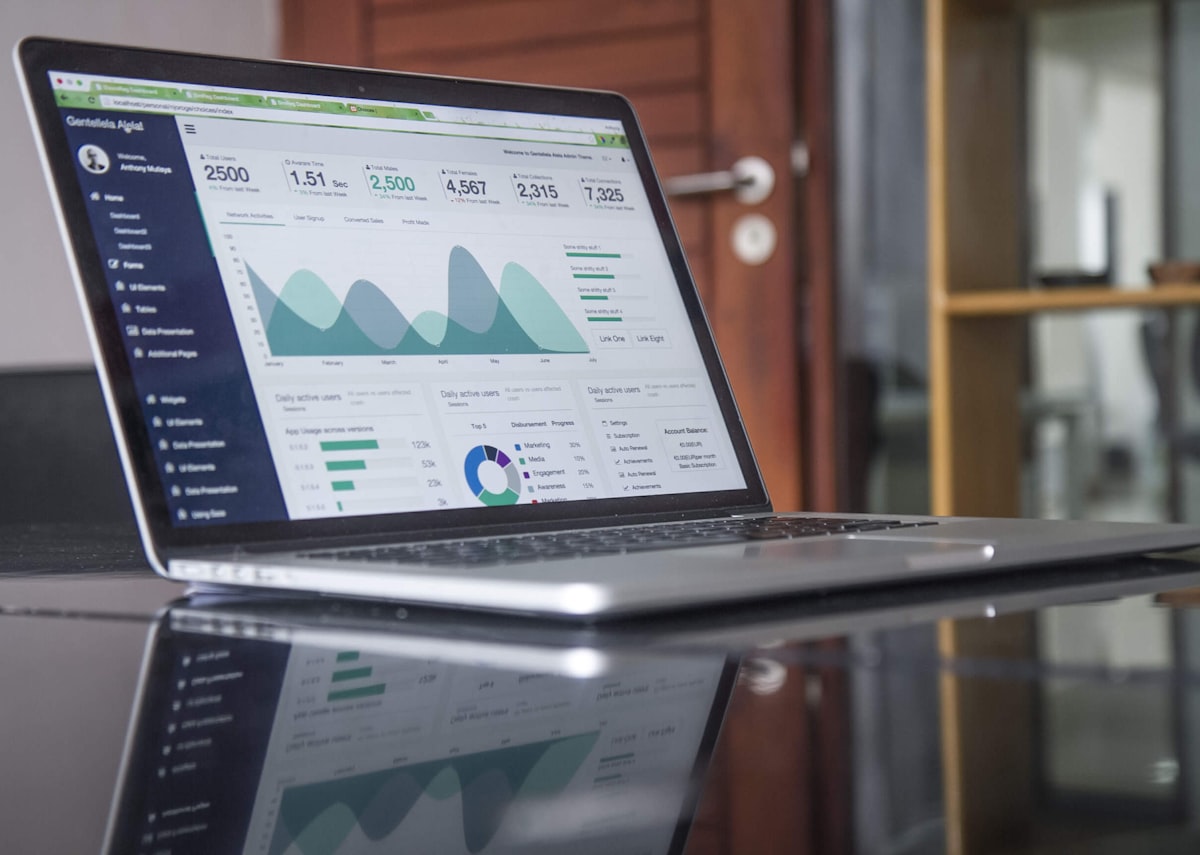
PulseHub Orchestration
Unified communications product architecture implementing channel routing rules.

Conversational Engagement
Connecting orchestration rules with bots, human agents, and workflows.
PingPulse SMPP
High-throughput SMPP gateway operations and session management.
Plan Your Enterprise Communications Architecture
Connect with IndoTium's engineering team to discuss message routing, channel orchestration, SMPP connectivity, and custom API integration requirements.